As we step into 2026, students across elementary schools, middle schools, high schools, and colleges are presented with a fresh opportunity to transform their academic journey and personal development.
Setting meaningful New Year’s goals isn’t just a tradition—it’s a powerful strategy that can reshape your entire year ahead. Whether you’re in kindergarten learning your ABCs or a college student preparing for your career, the start of a new year offers the perfect moment to reflect, reset, and recommit to your educational aspirations.
Research consistently shows that students who set clear, actionable goals perform better academically, develop stronger study habits, and experience greater confidence in their abilities. In fact, goal-setting has been linked to improved academic performance across all grade levels.
This complete guide will walk you through everything you need to know about creating effective New Year’s goals for students in 2026, complete with practical examples, actionable strategies, and age-appropriate recommendations for every educational level.
Understanding New Year’s Resolutions for Students
What Is a New Year’s Resolution for Students?
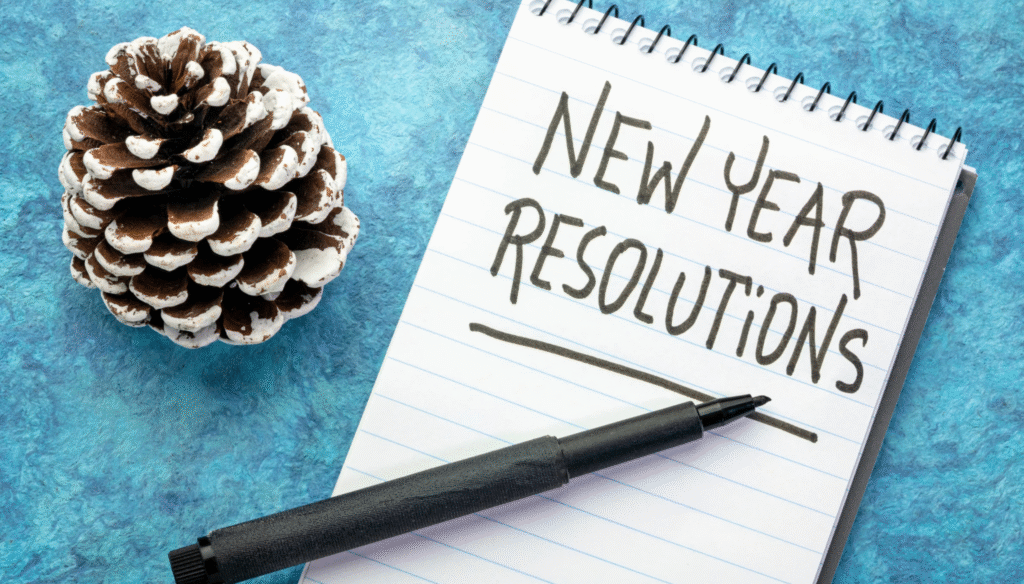
A New Year’s resolution for students is a specific commitment or goal set at the beginning of the year to improve academic performance, develop positive habits, enhance personal skills, or achieve meaningful milestones throughout the upcoming year. Unlike vague wishes, effective resolutions are concrete, measurable targets that guide your actions and decisions over the next twelve months.
For students, these resolutions typically fall into several categories: academic achievement goals such as improving grades or mastering challenging subjects, skill development objectives like learning a new language or improving communication abilities, personal growth targets including building confidence or managing stress, social and emotional goals focusing on relationships and emotional intelligence, and health and wellness commitments addressing physical activity and mental well-being.
Why Goal Setting Matters for Students in 2026
In our rapidly evolving world, the ability to set and achieve goals has become more critical than ever. As we navigate 2026, students face unique challenges including increased academic competition, digital distractions, evolving career landscapes, and the ongoing need to develop both traditional and modern skills. Setting New Year’s goals provides direction in this complex environment, helping you focus your energy on what truly matters.
Goal setting creates a roadmap for success. When you establish clear objectives, you’re more likely to stay motivated during difficult times, track your progress effectively, celebrate meaningful achievements, and build resilience through overcoming obstacles. Students who practice goal-setting develop crucial life skills that extend far beyond the classroom, including time management, self-discipline, problem-solving abilities, and accountability.
New Year’s Goals for Elementary Students
New Year’s Goals for Kindergarten Students
Kindergarten represents the foundation of formal education, where young learners begin developing essential skills and habits. For our youngest students, New Year’s goals should be simple, achievable, and fun to maintain engagement and build confidence.
Excellent New Year resolution ideas for kindergarten students include learning to write all letters of the alphabet by themselves, reading five picture books each month with a parent or teacher, counting to one hundred without help, learning to tie their own shoelaces independently, making at least one new friend in class, sharing toys and taking turns during playtime, listening carefully when the teacher gives instructions, practicing saying “please” and “thank you” every day, trying one new healthy food each week, and cleaning up toys after playing without being reminded.
These goals help kindergarteners develop fundamental academic skills while also building social-emotional capabilities that will serve them throughout their educational journey. Parents and teachers should celebrate small victories and provide consistent encouragement as young learners work toward these objectives.
New Year’s Goals for 1st Grade Students
First graders are ready for slightly more complex goals that build upon their kindergarten foundation. At this stage, students can begin taking more ownership of their learning while still requiring significant adult support and encouragement.
Strong New Year’s resolution ideas for first grade students include reading at least ten books throughout the year, practicing handwriting for ten minutes daily to improve letter formation, learning basic addition and subtraction facts up to twenty, completing homework assignments without constant reminders, raising their hand before speaking in class, being kind to all classmates even when disagreements occur, trying their best on every assignment even when it’s challenging, learning one new word each day to build vocabulary, participating actively in class discussions and activities, and keeping their desk and backpack organized.
First grade is an ideal time to establish positive study habits and attitudes toward learning that will serve students well in future years.
New Year’s Goals for 2nd and 3rd Grade Students
By second and third grade, students are developing greater independence and can handle more sophisticated goals. These middle elementary years are crucial for building strong academic foundations and developing positive self-concepts as learners.
Appropriate New Year’s goals for 2nd and 3rd grade students include reading for at least twenty minutes every day, improving in a specific subject where they need extra help, memorizing multiplication tables up to ten, writing in a journal three times per week to practice writing skills, completing all homework before playing or watching television, asking questions when they don’t understand something in class, being respectful to teachers, classmates, and school staff, learning to work cooperatively in group projects, setting aside time each evening to prepare their backpack for the next day, and participating in at least one extracurricular activity they enjoy.
These goals help students develop both academic competencies and important life skills like responsibility, perseverance, and social awareness.
New Year’s Goals for 4th and 5th Grade Students
Upper elementary students are capable of more complex goal-setting and can begin thinking about longer-term objectives. At this stage, students should be encouraged to identify their own goals while receiving guidance from parents and teachers.
Meaningful New Year’s resolution ideas for 4th and 5th graders include achieving a specific grade point average or improving grades in challenging subjects, reading books from different genres to broaden their perspective, improving their writing skills by practicing different types of essays, learning to use technology responsibly for schoolwork and research, developing better time management skills by using a planner or calendar, participating more actively in class discussions and presentations, joining a school club or sports team to develop new skills, working on a long-term project such as a science fair experiment, practicing good digital citizenship when using computers and devices, and developing a regular homework routine that minimizes procrastination.
Fifth grade, in particular, represents a transition year where students prepare for the increased demands of middle school, making goal-setting especially valuable.
New Year’s Goals for Middle School Students
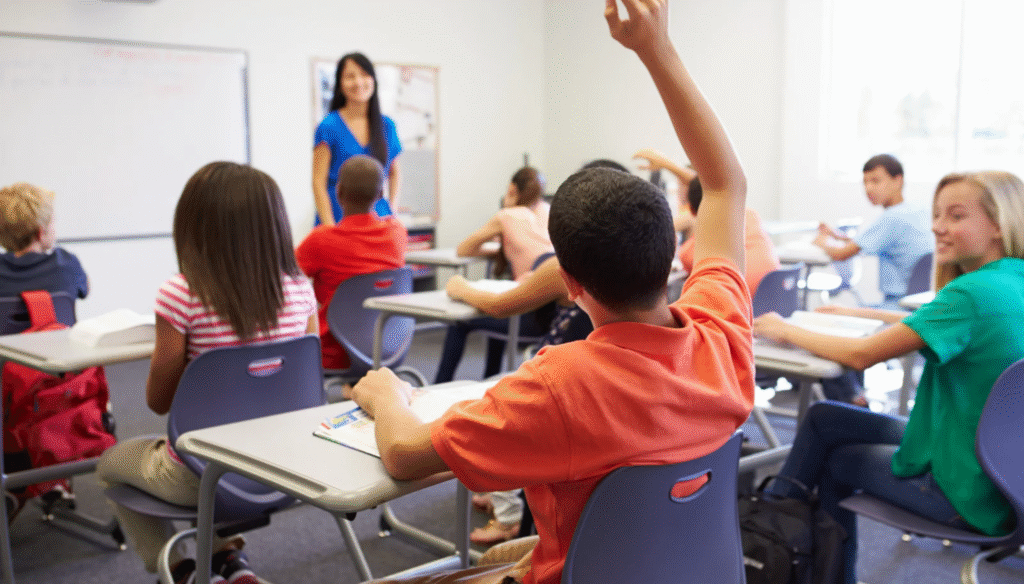
Middle school represents a critical transition period where students face increased academic demands, complex social dynamics, and significant personal development. New Year’s goals for middle school students should address both academic achievement and personal growth during these formative years.
Academic Goals for Middle School Students
Strong academic goals for middle schoolers in 2026 include maintaining or achieving a specific GPA across all subjects, improving performance in challenging subjects like mathematics or science, developing better study habits including dedicated study times and effective techniques, completing long-term assignments well before the deadline to avoid last-minute stress, actively participating in class by asking questions and engaging in discussions, organizing notes and materials for each subject effectively, seeking extra help from teachers when struggling with concepts, reading assigned books completely and thoughtfully rather than relying on summaries, improving writing skills through regular practice and revision, and preparing effectively for standardized tests through consistent practice.
Personal Development Goals for Middle School Students
Beyond academics, middle school is an ideal time to focus on personal development goals such as developing better communication skills both in speaking and writing, building confidence when presenting in front of others, managing stress through healthy coping strategies, limiting screen time and social media to focus on priorities, developing a new hobby or talent outside of school, volunteering in the community to develop empathy and perspective, improving physical fitness through regular exercise or sports, practicing mindfulness or meditation for emotional regulation, building positive relationships and handling conflicts constructively, and developing leadership skills through clubs or student government.
Middle school students benefit from having a mix of academic and personal goals that acknowledge the whole person rather than focusing exclusively on grades and test scores.
New Year’s Goals for High School Students
High school students face the highest academic stakes yet, with performance directly impacting college admissions and future opportunities. New Year’s goals for high school students should reflect both immediate academic needs and longer-term preparation for life after graduation.
Academic Excellence Goals for High School Students
High-achieving academic goals for 2026 include achieving honor roll status each semester, improving standardized test scores such as SAT or ACT, taking challenging courses including AP or honors classes in areas of strength or interest, maintaining strong grades in core subjects required for college admission, developing advanced research and writing skills for college-level work, creating a regular study schedule that balances all subjects effectively, building relationships with teachers who can provide strong recommendation letters, participating in academic competitions or programs in areas of interest, completing all homework and assignments with high quality rather than just for completion, and developing expertise in a particular academic area that aligns with future goals.
College and Career Preparation Goals
As high school students look toward their futures, important preparatory goals include researching potential colleges and career paths that align with interests and strengths, maintaining or improving GPA to meet college admission requirements, preparing for college entrance exams through consistent study and practice, participating in extracurricular activities that demonstrate leadership and commitment, gaining work experience through internships, part-time jobs, or volunteer positions, building a portfolio of achievements and experiences for college applications, developing professional skills like networking and communication, learning financial literacy basics including budgeting and understanding student loans, completing college applications early and thoughtfully, and building relationships with mentors who can provide guidance and support.
Personal Growth Goals for High School Students
High school is also a crucial time for personal development through goals such as developing emotional intelligence and self-awareness, building healthy habits around sleep, nutrition, and exercise, managing stress and anxiety through proven techniques, developing independence in decision-making and problem-solving, maintaining meaningful friendships and healthy relationships, exploring identity and values in preparation for adulthood, learning to balance academics with social life and personal interests, developing resilience in the face of setbacks and disappointments, practicing gratitude and maintaining a positive mindset, and preparing for independent living skills needed after graduation.
New Year’s Goals for College Students
College students face unique challenges including increased academic rigor, greater independence, financial responsibilities, and the pressure of preparing for their careers. New Year’s goals for college students should address these multifaceted demands while maintaining balance and well-being.
Academic and Professional Goals for College Students
Strong goals for college students in 2026 include maintaining a GPA that meets personal standards and career requirements, completing all degree requirements on schedule for timely graduation, building relationships with professors for mentorship and recommendations, participating in research opportunities or independent study projects, gaining practical experience through internships in their field of study, developing expertise in their major through additional coursework or projects, improving technical skills relevant to their intended career, attending professional conferences or joining professional organizations, building a professional network through campus events and online platforms like LinkedIn, and creating a portfolio or resume that showcases their skills and experiences.
Personal Development and Life Skills Goals
Beyond academics, college students should focus on developing independence and life skills through goals such as creating and maintaining a realistic budget for managing expenses, developing healthy eating habits despite busy schedules and limited resources, maintaining regular exercise and physical activity for health and stress management, building strong time management skills to balance classes, work, and social life, developing emotional intelligence and healthy coping mechanisms for stress, maintaining meaningful relationships while also building new connections, exploring personal interests and passions outside of academic requirements, practicing self-care and prioritizing mental health, developing cooking skills for healthy, affordable meals, and building professional habits like punctuality and communication skills.
How to Create Effective New Year’s Goals: A Student’s Guide
The SMART Goal Framework
The most effective goals follow the SMART framework, meaning they are Specific, Measurable, Achievable, Relevant, and Time-bound. Instead of a vague goal like “do better in school,” a SMART goal would be “improve my math grade from a C to a B by the end of the semester by attending tutoring twice per week and completing all homework assignments.”
Specific goals clearly define what you want to accomplish. Rather than “read more,” try “read one book per month from different genres.” Measurable goals include concrete criteria for tracking progress, such as “study for thirty minutes each day” rather than “study more.”
Achievable goals are challenging yet realistic given your current circumstances and resources. Relevant goals align with your broader objectives and values, ensuring your efforts contribute to what truly matters to you. Time-bound goals include specific deadlines or timeframes, creating urgency and accountability.
Writing Your New Year’s Goals
When writing your goals for 2026, follow these steps. First, reflect on the previous year by identifying what went well, what challenges you faced, and what you want to improve. Second, identify your priorities by determining what matters most across academics, personal growth, relationships, and well-being.
Third, write specific goals using the SMART framework, ensuring each goal is clear and actionable. Fourth, create action steps by breaking each goal into smaller, manageable tasks. Fifth, set up tracking systems using journals, apps, or calendars to monitor progress. Sixth, identify potential obstacles and plan strategies to overcome them. Finally, share your goals with someone who can provide support and accountability.
Staying Motivated Throughout 2026
Goal-setting is just the beginning; maintaining motivation throughout the year requires ongoing effort and strategy. To stay committed to your New Year’s goals, regularly review your goals weekly or monthly to assess progress and adjust as needed. Celebrate small wins along the way rather than waiting for complete achievement.
Use visual reminders like vision boards, sticky notes, or phone backgrounds displaying your goals. Find an accountability partner—a friend, family member, or teacher who will check in on your progress.
Track your progress through journals, apps, or charts that show how far you’ve come. Stay flexible by adjusting goals if circumstances change or you discover new priorities. Focus on one or two major goals at a time rather than overwhelming yourself with too many objectives. Remember your why by reconnecting regularly with the reasons behind each goal. Be kind to yourself when you experience setbacks, treating them as learning opportunities rather than failures. Reward yourself with meaningful treats when you reach milestones.
Common Goal-Setting Mistakes to Avoid
Even with the best intentions, students often make mistakes that undermine their goal-setting efforts.
Avoid these common pitfalls: setting too many goals at once which leads to feeling overwhelmed and unable to make meaningful progress on any single objective, making goals too vague without specific criteria for success, setting unrealistic goals that are impossible given your current circumstances, forgetting to track progress which makes it difficult to know if you’re moving in the right direction, giving up after setbacks instead of viewing them as normal parts of the process, not breaking goals into smaller steps which makes large goals feel impossible, failing to celebrate progress along the way, only focusing on outcome goals rather than also setting process goals, not adjusting goals when circumstances change, and comparing your progress to others rather than focusing on your own growth.
Special Considerations: New Year’s Goals for Different Student Needs
Goals for Students with Learning Differences
Students with learning differences such as ADHD, dyslexia, or other challenges should create goals that accommodate their unique needs while still pushing for growth. These might include working with teachers to develop accommodations that support learning, breaking assignments into very small, manageable chunks, using assistive technology effectively to support learning, developing specific organizational systems that work for their learning style, practicing self-advocacy by communicating needs to teachers, focusing on strengths while also working on challenges, celebrating effort and progress rather than only outcomes, and building routines that provide structure and predictability.
Goals for Advanced or Gifted Students
Students who excel academically face their own challenges and should set goals that provide appropriate challenge and growth, such as taking on advanced coursework or independent study projects, developing expertise in specific areas of passion, entering academic competitions to test skills against others, mentoring younger students in areas of strength, pursuing creative projects that go beyond standard curricula, developing leadership skills through organizing or leading groups, exploring career possibilities through shadowing or internships, building emotional intelligence and social skills, maintaining balance to avoid burnout, and learning to embrace challenges and view mistakes as learning opportunities.
Conclusion: Your 2026 Success Story Starts Now
As you embark on 2026, remember that New Year’s goals are more than just resolutions—they’re commitments to becoming the best version of yourself. Whether you’re an elementary student learning to read, a middle schooler navigating social challenges, a high school student preparing for college, or a college student launching your career, the goals you set today will shape your entire year ahead.
Success doesn’t happen overnight, and the path to achieving your goals will include challenges, setbacks, and moments of doubt. But with clear objectives, consistent effort, and the right support, you can accomplish remarkable things in 2026. Start small if needed, celebrate every bit of progress, and remember that the journey of personal growth is just as important as reaching the destination.
The beginning of a new year offers a special kind of magic—a blank slate, a fresh start, a chance to reinvent yourself. Don’t let this opportunity pass you by. Take time this week to thoughtfully consider your goals for 2026, write them down, share them with people who care about you, and take that first small step toward making them reality.
Your future self will thank you for the commitment you make today. Here’s to an incredible 2026 filled with growth, achievement, and success!
Frequently Asked Questions About New Year’s Goals for Students
Q1: What is a good New Year’s resolution for students? A good New Year’s resolution for students is one that is specific, measurable, and meaningful to their personal or academic growth. Examples include improving grades in a challenging subject, reading a certain number of books per month, or developing better study habits. The best resolutions are those that students genuinely care about and are willing to work toward consistently throughout the year.
Q2: How many New Year’s goals should a student set? Students should focus on 2-4 major goals rather than overwhelming themselves with too many objectives. Starting with one academic goal and one personal development goal is ideal for beginners. Having fewer, well-defined goals allows students to dedicate proper attention and effort to each one, increasing the likelihood of success and building confidence in their goal-setting abilities.
Q3: How can students stay motivated to achieve their New Year’s goals? Students can maintain motivation by breaking large goals into smaller, manageable steps and celebrating progress along the way. Creating visual reminders, tracking progress in a journal or app, and finding an accountability partner like a friend or family member also help. Regular review of goals and remembering the personal reasons behind each objective keeps students connected to their purpose throughout the year.
Q4: What should students do if they fail to meet their New Year’s goals? Setbacks are a normal part of goal achievement and should be viewed as learning opportunities rather than failures. Students should assess what obstacles prevented success, adjust their approach or timeline if needed, and refocus on moving forward. The key is to practice self-compassion, learn from the experience, and remember that progress isn’t always linear—even small improvements represent success worth acknowledging.
At Belekar Sir’s Academy, we’re committed to helping students achieve their educational goals through complete English language education, including spoken English, grammar, writing, and IELTS preparation. Our practical teaching approach builds the communication skills and confidence students need to succeed in 2026 and beyond. Visit belekarsirsacademy.com to learn how we can support your academic journey this year.

Belekar Sir is the founder and lead instructor at Belekar Sir’s Academy, a trusted name in English language education. With over a decade of teaching experience, he has helped thousands of students—from beginners to advanced learners—develop fluency, confidence, and real-world communication skills. Known for his practical teaching style and deep understanding of learner needs, Belekar Sir is passionate about making English accessible and empowering for everyone. When he’s not teaching, he’s creating resources and guides to support learners on their journey to mastering spoken English.