The clock strikes midnight, confetti falls, and suddenly, January 1st arrives with all its promise. For students, this fresh start offers something magical—a blank slate to dream bigger, study smarter, and become the person they’ve always wanted to be.
I’ve spent years watching students set goals, and here’s what I’ve learned: the difference between dreams that fizzle out by February and goals that actually stick comes down to one thing. Having the right template makes all the difference.
Why Students Need Goal-Setting Templates
Think about it this way. Would you start building a house without a blueprint? Of course not. Similarly, students need a structured approach to turn their New Year’s aspirations into achievable realities.
Templates provide several critical benefits:
Clarity and Focus: When students write their goals in a structured format, vague wishes like “do better in school” transform into specific targets like “improve my math grade from B to A by studying 30 minutes daily.”
Accountability: A physical or digital template serves as a constant reminder. Furthermore, students can track their progress and celebrate small wins along the way.
Motivation Boost: Seeing goals laid out visually creates emotional investment. As a result, students feel more connected to their aspirations.
Life Skills Development: Goal-setting templates teach planning, time management, and self-reflection. These skills extend far beyond the classroom and into every area of life.
Essential Components of an Effective Goals Template
Not all goal templates work equally well. After testing dozens with my students, I’ve identified the must-have elements that actually drive results.
Personal Information Section
Start simple. Include spaces for:
- Student’s name
- Grade level
- Date created
- Target completion date
This personalizes the template and creates ownership. Additionally, dating the document helps students track their growth over time.
Goal Categories
Divide the template into meaningful sections. Here’s what works best:
Academic Goals
- Subject-specific improvements
- Grade targets
- Study habits
- Reading goals
Personal Development Goals
- New skills to learn
- Hobbies to explore
- Character traits to develop
- Health and wellness targets
Social Goals
- Friendship objectives
- Family relationships
- Community involvement
- Leadership opportunities
Creative Goals
- Artistic pursuits
- Writing projects
- Musical endeavors
- Performance goals
The SMART Framework Integration
Every effective template incorporates the SMART criteria. Here’s how it looks in practice:
| SMART Element | What It Means | Student Example |
| Specific | Clear and well-defined | “Read 20 books this year” vs. “Read more” |
| Measurable | Trackable progress | “Improve math grade to 85% or higher” |
| Achievable | Realistic yet challenging | “Study 30 minutes daily” not “Study 5 hours daily” |
| Relevant | Aligned with bigger dreams | Goals connect to future aspirations |
| Time-bound | Has a deadline | “By end of semester” or “By March 15” |
Progress Tracking Features
Include monthly check-in boxes or quarterly review sections. This way, students can adjust their approach without abandoning their goals entirely.
Moreover, celebrating milestones keeps motivation high. Add spaces for noting achievements, no matter how small.
Reflection Prompts
End with thought-provoking questions:
- What obstacles did I overcome?
- What surprised me about this goal?
- What would I do differently next time?
- How has achieving this changed me?
Free New Year’s Goals Templates for Different Age Groups
Different students need different approaches. Let me break down what works for each age group.
Elementary Students (Grades K-5)
Young learners need visual, colorful templates with:
- Picture spaces for drawing goals
- Simple, large writing areas
- Emoji or sticker tracking systems
- Parent signature sections
Sample Goals for This Age:
- Practice reading for 15 minutes every night
- Learn to tie shoelaces
- Make one new friend
- Help with one household chore daily
The template should feel fun, not overwhelming. Think fewer words, more images.
Middle School Students (Grades 6-8)
Preteens benefit from templates that balance structure with creativity:
- Mix of written and visual elements
- More detailed goal descriptions
- Sections for academic and social goals
- Weekly progress trackers
Sample Goals for This Age:
- Improve in a challenging subject
- Join one extracurricular activity
- Develop a consistent homework routine
- Practice a growth mindset when facing difficulties
At this stage, students start understanding cause and effect. Therefore, include sections connecting actions to outcomes.
High School Students (Grades 9-12)
Teenagers need sophisticated templates that prepare them for adult life:
- College and career planning sections
- Long-term goal mapping (1-year, 5-year)
- Resource identification (who/what can help)
- Obstacle anticipation planning
Sample Goals for This Age:
- Maintain GPA for college applications
- Research career paths and shadow professionals
- Build leadership through clubs or sports
- Develop time management for multiple commitments
High schoolers should also set goals around improving English speaking and communication skills, as these become increasingly important for college and career success.
How to Use Your New Year’s Goal Setting Worksheet
Having the template is just step one. Here’s how to actually make it work.
Step 1: Dream Big First
Before filling out the template, spend 15 minutes brainstorming. Write everything you want to achieve—no filters, no judgment. Let your imagination run wild.
Then, narrow down to 3-5 primary goals. Too many goals dilute your focus and energy.
Step 2: Apply the SMART Framework
Take each goal and run it through the SMART test. Transform “I want to read more” into “I will read one age-appropriate book per month and write a one-paragraph summary.”
Notice the difference? The second version gives you a clear roadmap.
Step 3: Identify Your Resources
For each goal, ask:
- What materials or tools do I need?
- Who can support me?
- When will I work on this?
- Where will I practice?
Write these answers directly on your template. Planning ahead prevents excuses later.
Step 4: Break It Down
Annual goals feel enormous. Slice them into manageable chunks:
- Yearly goal → Quarterly milestones → Monthly targets → Weekly actions
For instance, reading 24 books becomes reading 2 books per month, which means 15 minutes of reading daily.
Step 5: Schedule Regular Reviews
Mark your calendar for monthly goal reviews. During these sessions:
- Check off completed items
- Adjust timelines if needed
- Celebrate progress
- Troubleshoot obstacles
Consistency matters more than perfection. If you skip a week, just resume. Don’t abandon the entire goal.
Creative Goal-Setting Activities for Kids

Make goal-setting engaging with these interactive activities.
Vision Board Workshop
Gather magazines, scissors, glue, and poster board. Students cut out images representing their goals and create a visual collage. This taps into right-brain creativity while reinforcing left-brain planning.
Hang the vision board where students see it daily—bedroom wall, desk area, or inside a notebook cover.
Goal Jar Activity
Write each goal on a separate slip of paper. Fold them up and place them in a decorated jar. Every week, students draw one goal and focus intensely on it for seven days.
This approach prevents overwhelm and builds momentum through focused action.
Accountability Buddy System
Partner students together for mutual support. They share goals, check in weekly, and celebrate each other’s wins. Furthermore, this social element makes goal-setting more enjoyable and sustainable.
Progress Chain Method
Create a paper chain with one link per day or week. Students remove one link each time they work toward their goal. Watching the chain shrink provides tangible evidence of progress.
This works especially well for improving reading skills or developing consistent study habits.
Common Goal-Setting Mistakes to Avoid
Even with great templates, students stumble. Here are the pitfalls I see most often—and how to dodge them.
Setting Too Many Goals
Ambition is wonderful, but spreading yourself thin guarantees mediocrity. Instead, focus deeply on 3-5 meaningful goals rather than superficially on 15.
Making Goals Too Vague
“Be better at school” means nothing actionable. Convert vague wishes into specific commitments with clear metrics.
Ignoring the “Why”
Goals without purpose rarely survive February. Students should answer: “Why does this matter to me?” The emotional connection fuels perseverance.
Forgetting to Plan for Obstacles
Life happens. Tests pile up, friends have drama, energy dips. Anticipate these challenges and create contingency plans before obstacles arise.
Going It Alone
Isolation kills motivation. Share goals with family, teachers, or friends who will encourage you during tough stretches.
Adapting Goals Throughout the Year
Flexibility doesn’t mean quitting—it means being smart. Here’s when and how to adjust.
When to Modify:
- You consistently overshoot or undershoot targets
- Your interests genuinely change
- External circumstances shift dramatically
- You discover a goal conflicts with your values
How to Adjust Without Quitting:
- Extend deadlines rather than abandoning goals
- Break large goals into smaller phases
- Replace unworkable goals with related alternatives
- Seek help if you’re genuinely stuck
Remember, learning to read fluently or mastering any skill happens at different paces for different students. Progress isn’t always linear.
Digital vs. Paper Templates: Which Works Best?
Both formats have merit. Let me help you choose.
Paper Templates Excel When:
- Students benefit from tactile, hands-on activities
- You want to display goals prominently (refrigerator, wall)
- Kids need to develop handwriting skills
- Drawing and coloring enhance engagement
Digital Templates Win When:
- Students already use devices regularly
- You want easy editing and updating
- Tracking tools and reminders help
- You prefer cloud backup and accessibility
Many successful students use hybrid approaches—paper templates displayed at home, digital copies for on-the-go reference.
New Year Resolution Chart Ideas for Students
Charts transform abstract goals into visual progress. Here are proven formats:
Habit Tracker Grid
Create a monthly calendar grid. Students color in each day they complete a habit. Seeing the chain of colored boxes motivates them to keep it going.
Progress Bar Chart
Draw empty bars representing 0% to 100% completion. Students color them in as they advance toward goals. This works brilliantly for reading challenges or vocabulary building.
Before and After Comparison
Set up a two-column chart showing “Where I Am Now” versus “Where I Want to Be.” Include specific metrics like current grade, words read per minute, or skills mastered.
Star System
Award gold stars for weekly goal adherence. Accumulate stars for rewards—extra screen time, special outings, or small prizes. Gamification makes goal-pursuit fun.
Students working on improving their reading and writing can track pages read, essays completed, or grammar concepts mastered.
Incorporating Goal-Setting into Family Life
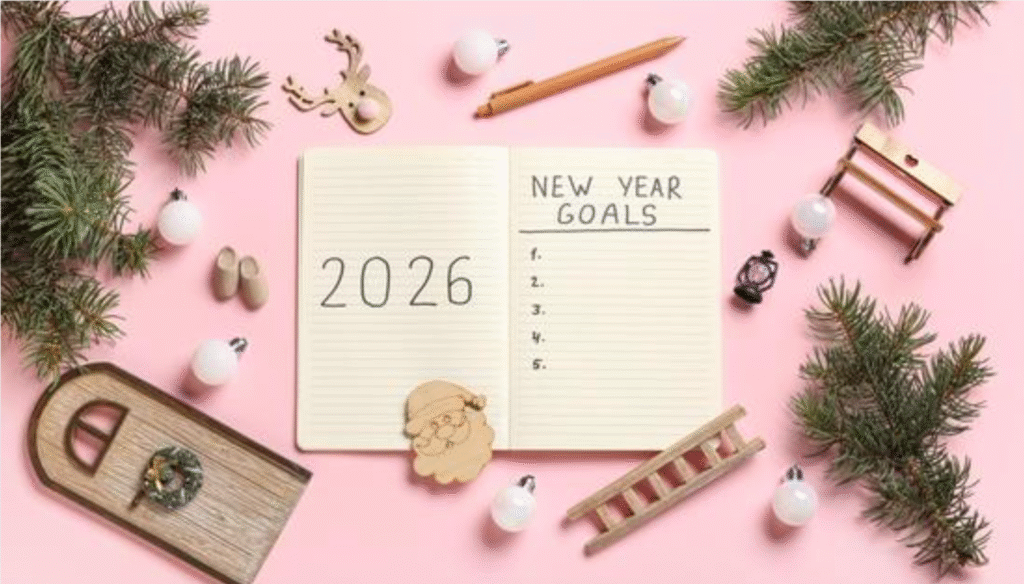
Goal-setting becomes exponentially more effective when families participate together.
Family Goal Night
Host monthly gatherings where everyone shares progress and challenges. Order pizza, make it festive, and create a judgment-free zone for honest discussion.
Parent Support Strategies
Parents can help without taking over by:
- Asking questions instead of giving answers
- Providing resources (library trips, materials)
- Modeling their own goal-setting
- Celebrating effort, not just outcomes
- Maintaining gentle accountability without nagging
Sibling Support Systems
Brothers and sisters can become goal buddies. They might study together, share resources, or compete friendly for who sticks with goals longest.
This approach also teaches important communication skills that serve students throughout life.
Goal Achievement Celebration Ideas
Recognition reinforces positive behaviors. Plan celebrations that match goal difficulty.
Small Milestone Rewards:
- Favorite snack or dessert
- Extra 30 minutes of preferred activity
- Stickers or small tokens
- Special time with parent or friend
Major Goal Celebrations:
- Family outing to chosen location
- New book, game, or hobby supply
- Sleepover with friends
- Certificate or achievement trophy
The key? Make celebrations meaningful to the individual student. What motivates one child might not resonate with another.
Teaching Students to Self-Assess
The ultimate goal isn’t just achievement—it’s developing students who can independently evaluate and adjust their approaches.
Reflection Questions to Build This Skill
Ask students regularly:
- What strategies worked well this week?
- What got in my way?
- How did I handle setbacks?
- What will I do differently next time?
- How do I feel about my progress?
These questions develop metacognition—thinking about thinking. This skill proves invaluable far beyond New Year’s goals.
Students can also reflect on their reading improvement journey and recognize the broader skills they’re developing.
Frequently Asked Questions
What age should kids start setting New Year’s goals?
Children as young as 5 or 6 can begin with very simple, concrete goals like “brush teeth without reminders.” As kids mature, goals naturally become more complex. The key is matching the sophistication of goals to the child’s developmental stage.
How many goals should a student set?
For elementary students, 2-3 goals work best. Middle schoolers can handle 3-5 goals across different life areas. High school students might manage 5-7 goals, including long-term college or career objectives. Quality always trumps quantity.
What if my child gives up on their goals?
First, avoid shame or criticism—that kills future motivation. Instead, have a curious conversation about what happened. Was the goal unrealistic? Did life circumstances change? Did they lose interest? Use it as a learning opportunity. Perhaps the goal needs adjusting, or maybe they need different support systems.
Should parents help with goal-setting or let kids do it independently?
The sweet spot is collaborative independence. Younger children need significant guidance and structure. As students mature, gradually shift toward coaching rather than directing. Ask questions, offer suggestions, but ultimately let the student own their goals. This builds autonomy and intrinsic motivation.
How do I make goal-setting fun for reluctant students?
Gamify the process! Use colorful templates, create reward systems, involve friends, or connect goals to things they already love. If your child obsesses over video games, frame goals using game language—levels, achievements, power-ups. Meet them where their interests live.
Can goals change during the year?
Absolutely! Rigidity leads to frustration. If circumstances change or students gain new insights, goals should evolve accordingly. The point isn’t blind adherence to January’s plan—it’s developing intentional living and growth mindset. Teach students the difference between strategic pivoting and simple quitting.
How do we handle setbacks and missed targets?
Normalize setbacks as part of the process, not indicators of failure. When students miss targets, practice problem-solving skills. Ask: “What got in the way?” and “What could we try differently?” This reframes setbacks as data, not defeat.
Should academic goals focus on grades or learning?
Ideally, both—but emphasize learning and growth over arbitrary numbers. Goals like “understand fractions well enough to explain them to someone else” prove more meaningful than “get an A.” However, grade goals aren’t inherently bad if they motivate students and reflect genuine learning.
Also Read
Looking to support your student’s overall development? Check out these helpful resources:
- Help Kids Read Better: Essential strategies for developing strong reading skills
- How to Improve Reading Speed: Techniques to help students read faster without sacrificing comprehension
- How to Teach a Kid to Learn How to Read: Step-by-step guidance for teaching reading fundamentals
- Does Reading Aloud Improve Fluency?: Understanding the benefits of reading practice
- How Can I Speak English More Fluently?: Tips for improving verbal communication skills
Final Thoughts: Making This Year Different
Here’s the truth about New Year’s goals for students: the template itself holds no magic. The real power lies in the conversation it starts, the self-reflection it encourages, and the growth mindset it cultivates.
I’ve watched countless students transform through goal-setting—not because they achieved every single target, but because they learned to dream intentionally, plan strategically, and persist courageously.
This year, give your student more than a worksheet. Give them the gift of believing their actions create their future. Show them that with the right system, consistent effort, and supportive community, they can become the person they aspire to be.
Download a template that resonates with your student’s age and personality. Sit down together with hot chocolate and open hearts. Dream about possibilities, plan for obstacles, and commit to the journey.
Because here’s what I know after years in education: students who learn to set and pursue goals don’t just achieve more academically. They develop confidence, resilience, and self-efficacy that serve them for a lifetime.
The new year stretches ahead with all its promise. Your student’s template is waiting. The only question left is: what will they create?

Belekar Sir is the founder and lead instructor at Belekar Sir’s Academy, a trusted name in English language education. With over a decade of teaching experience, he has helped thousands of students—from beginners to advanced learners—develop fluency, confidence, and real-world communication skills. Known for his practical teaching style and deep understanding of learner needs, Belekar Sir is passionate about making English accessible and empowering for everyone. When he’s not teaching, he’s creating resources and guides to support learners on their journey to mastering spoken English.